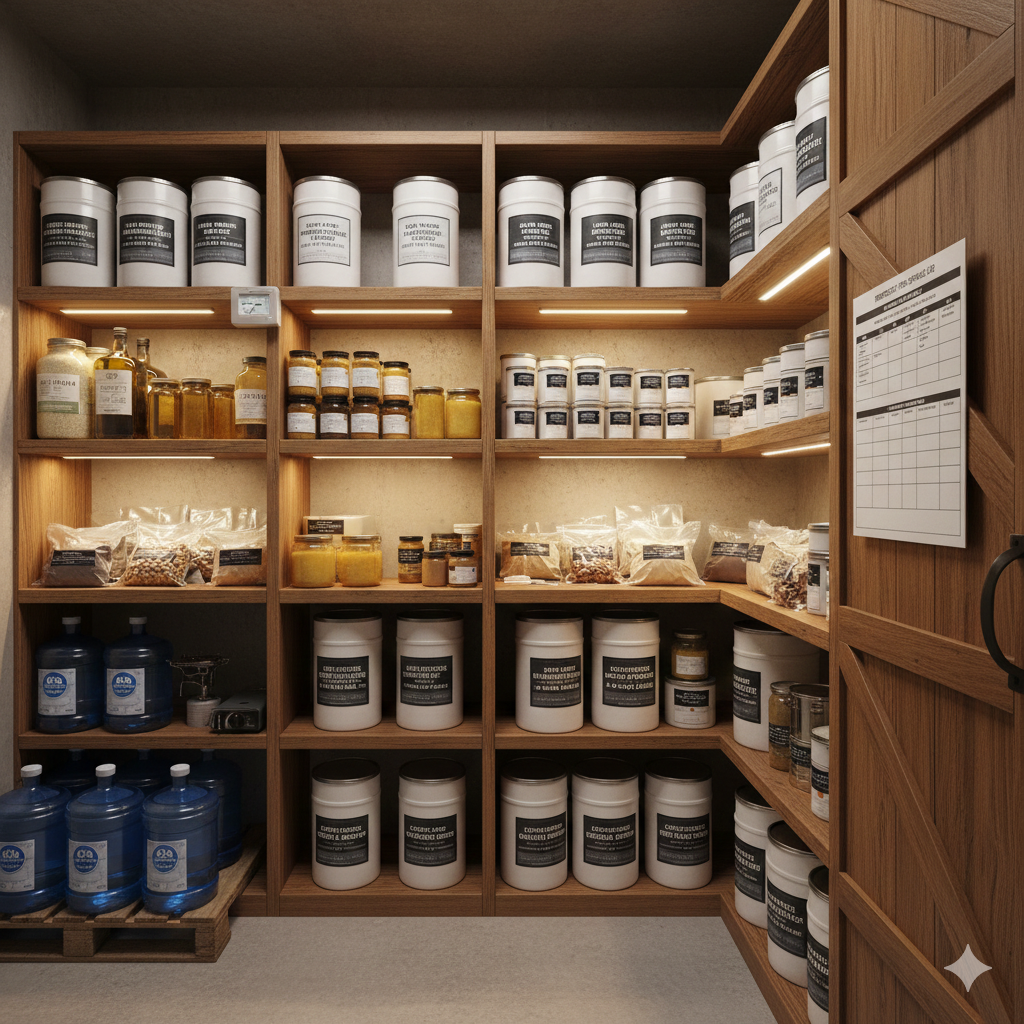
When uncertainty strikes—whether it’s a sudden blackout, a natural disaster, or a breakdown in supply chains—you don’t just want calories. You want nutrient-dense, low-carb food that keeps you strong, alert, and metabolically stable for as long as needed. This guide covers how to build a smart, long-lasting emergency pantry that supports both survival and health.
Why Food Storage Matters
In any emergency—whether natural or man-made—supply disruptions can happen overnight. Having a reliable, long-term food storage system ensures your family stays nourished and functional, no matter what.
But smart prepping goes beyond just stockpiling canned goods. The real goal is to preserve energy, maintain muscle, and stabilize blood sugar, not just survive on empty carbs.
Benefits of Being Nutritionally Prepared
A well-built food storage system:
Maintains muscle strength and brain clarity
Supports immune and gut health under stress
Reduces panic and decision fatigue during crises
Preserves flexibility—allowing healthy meal options, even months in
The right nutrients help your body recover faster, think sharper, and stay stronger when conditions are unpredictable.
Short-Term vs. Long-Term Food Storage
Short-term kits (up to 6 months) often rely on high-carb convenience foods like oatmeal or dried fruits. While easy, they can cause blood sugar swings and degrade faster.
Long-term storage (5–20 years) should prioritize low-carb, shelf-stable foods rich in protein, fat, and micronutrients. Properly sealed, these can outlast most commercial goods while sustaining metabolic health.
Key Principles of Long-Term Preservation
Cool, dark, stable conditions: below 75°F if possible
Airtight packaging: Use #10 cans or Mylar bags with oxygen absorbers
Minimal moisture and light exposure: prevents oxidation and spoilage
Rotation and labeling: “First In, First Out” rotation every 12 months
Shelf Life of Common Storable Foods
| Food Type | Longevity | Notes |
|---|
| Powdered eggs | 10–15 years | Protein-rich and easy to rehydrate |
| Ghee, coconut or olive oil | 10–20 years | Shelf-stable fats for energy |
| Whey protein or collagen | 15–20 years | Excellent for maintaining muscle mass |
| Dehydrated vegetables | 10+ years | Add fiber and minerals |
| Freeze-dried meats | 20+ years | Complete protein source |
| Condiments & dried yogurt | 20+ years | Complete antioxidants, protein, calcium, and probiotics source |
Avoid storing items like rice, beans, or flour—they’re carb-heavy, degrade faster, and can attract pests.
Nutritional Balance for Survival
Your long-term emergency stockpile should deliver:
High-quality protein: Whey, collagen, powdered eggs, or freeze-dried meats
Healthy fats: Coconut oil, ghee, olive oil, cocoa butter, flax, avocado oil
Gut-supportive nutrients: Prebiotic fiber, probiotics, digestive enzymes
Electrolytes and minerals: Salt, potassium, magnesium, and trace elements
Low-carb nutrition prevents inflammation and fatigue, giving you steady energy instead of sugar crashes.
Best Foods for Storage
Complete low-carb meal powders
Canned or pouch-based beef, lamb, salmon, tuna, or chicken
Ghee, Coconut or Olive oil for rapid energy
Freeze-dried low-carb vegetables (broccoli, peas, spinach, cauliflower)
Nuts and seeds vacuum-sealed in small portions
Electrolyte powders and multivitamins for essential micronutrients
Optimal Storage Techniques
The Gold Standard: #10 Cans
These large, airtight metal containers are vapor-proof and ideal for long-term preservation—lasting up to 20 years with oxygen absorbers.
Mylar Bags (Short-Term Backup):
Good for shelf-stable foods lasting <2 years. Use thick 7-mil bags and reseal tightly after opening.
Tips for Hot or Humid Climates:
Store cans in a temperature-controlled room, not the garage.
Use desiccant packs to manage humidity.
Rotate perishables every 3–5 years for safety assurance.
Space-Saving Storage and Rotation
Stack #10 cans or buckets vertically to save space.
Use shelving under stairs or in closets for stable temperature zones.
Maintain an inventory log with purchase and open dates.
Apply a “First-In, First-Out” rotation system and review yearly.
Calculating Your Family’s Food Needs
Estimate daily requirements:
Multiply calories/day × number of people × number of days.
Plan for protein = 30–40% of calories, fats = 50–60%, carbs <10%.
Combine low-carb complete meals with key staples (nuts, oils, dehydrated veggies).
Example: A family of 4 preparing for 90 days should have roughly 1,000 servings of nutrient-dense, shelf-stable meals plus backups.
Creating an Emergency Pantry on Any Budget
You can start small and build strategically:
Begin with mylar-packed low-carb meals for baseline nutrition.
Add bulk fats (ghee, coconut or olive oil) and freeze-dried complete meals.
Buy in bulk and use cash discounts from reputable vendors.
Diversify brands and nutrient sources over time.
Safe Water Storage for Emergencies
1 gallon per person per day for at least 7–14 days.
Use food-grade containers kept away from heat and light.
Rotate every 6–12 months to ensure freshness and safety.
Common Food Storage Mistakes
Relying on high-carb bulk foods—short shelf life and poor blood sugar control
Using cheap packaging—non-airtight pouches invite spoilage
Forgetting to label and rotate—expired food becomes wasted calories
Final Emergency Food Storage Checklist
✓ Low-carb, complete meals for 15–20 years of shelf life
✓ High-quality fats and proteins (no grains, no sugar)
✓ Airtight packaging stored below 75°F
✓ Inventory tracking and expiration log
✓ Annual inspection and rotation plan
✓ Safe water storage (1 gallon/person/day)
The Bottom Line
An emergency pantry isn’t just about survival—it’s about self-reliance, metabolic strength, and long-term resilience. By building your storage around low-carb, nutrient-dense foods that fuel both mind and body, you ensure that you won’t just survive an emergency—you’ll thrive through it.
Whether it’s a two-week or a long-term disruption, a well-designed emergency food system means one thing above all: peace of mind.