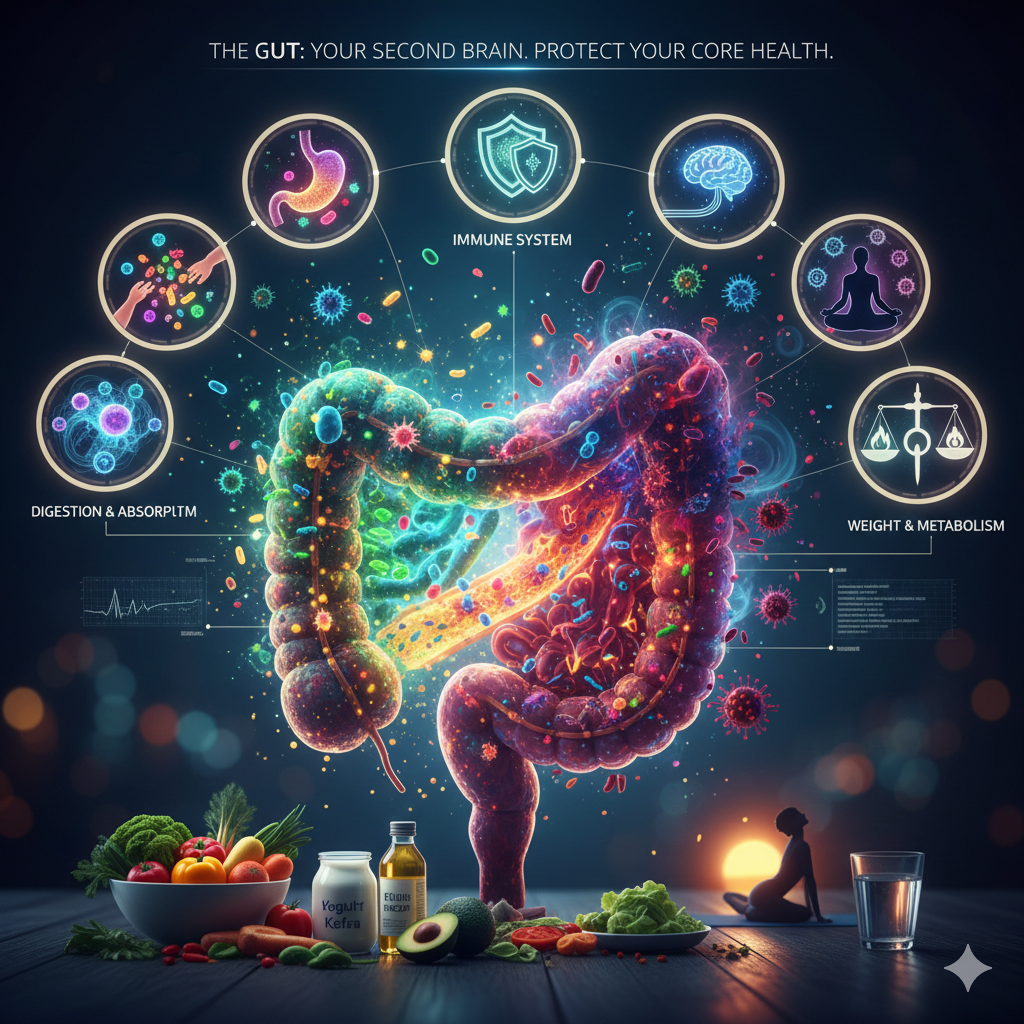
Digestion & Nutrient Absorption:
Your gut’s ecosystem, the microbiota, aids in breaking down food and ensures your body gets the vitamins, minerals, and energy it needs.
Immune System Function:
About 70% of your immune defenses reside in the gut, keeping infections at bay and modulating inflammation.
Mental Health Connection:
The gut-brain axis links your gastrointestinal tract to cognitive function and emotional health. Poor gut health is tied to anxiety, stress, and depression.
Weight and Metabolism:
Gut bacteria influence weight, metabolic processes, and how you store fat. Dysbiosis—an imbalance—can encourage weight gain and metabolic disease.
Dysbiosis:
Too many harmful bacteria, not enough of the good. Common culprits: poor diet, antibiotics, stress, and infections—leading to inflammation, immunity issues, and gut discomfort.
Leaky Gut Syndrome:
Damage to the gut lining lets toxins and undigested food particles leak into your bloodstream, triggering inflammation, allergies, and even autoimmune responses.
IBD/IBS:
Chronic inflammation (Crohn’s, ulcerative colitis) or “functional” issues like irritable bowel syndrome, causing pain, bloating, and unpredictable digestion.
Modern Pressures:
Ultra-processed diets, antibiotic overuse, chronic stress, environmental toxins, and lack of sleep or movement are making gut problems more common than ever.
Prioritize Protein:
High-quality proteins (beef, eggs, fish, dairy) support gut lining repair and maintenance.
Increase Healthy Fats:
Fats from olive oil, avocados, coconut, and omega-3-rich fish reduce inflammation and strengthen the gut barrier.
Reduce Refined Carbohydrates:
Limit processed breads, sugars, snacks. Opt for slow carbs from veggies and fruits to feed beneficial gut bacteria.
Eat Fermented, Probiotic Foods:
Yogurt, kefir, sauerkraut, kimchi, and kombucha reintroduce healthy bacteria. Probiotic supplements may help after antibiotics.
Boost Prebiotic Fiber:
Foods like garlic, onions, leeks, asparagus, and bananas “feed” good bacteria for stronger diversity.
Manage Stress:
Try mindfulness, regular exercise, spiritual practices, or yoga—chronic stress harms the gut and weakens its protective functions.
Stay Hydrated:
Water keeps your gut lining healthy and helps move nutrients through the digestive system.
Prioritize Sleep:
7–9 hours per night is crucial. Poor sleep worsens gut imbalances and inflammation.
Limit Antibiotics:
Use only as needed. Always replenish beneficial bacteria with probiotics and prebiotics when antibiotics are unavoidable.
Get Moving:
Regular exercise supports a more resilient and diverse gut microbiome.
Your gut is at the core of your health—fueling your body, regulating your immune system, and even shaping how you think and feel. Today’s environment can disrupt this delicate balance, but thoughtful nutrition and lifestyle habits can help restore harmony. Nourish your gut wisely, and you’ll notice benefits far beyond your digestive tract.