It’s easy to overlook the risks posed by a spritz of perfume, a dollop of lotion, or your go-to shampoo. But scientists are sounding the alarm about a class of chemicals commonly found in personal care and household products: phthalates. These hidden compounds have been linked to serious health risks—including insulin resistance, hormone disruption, and even cancer.
What Are Phthalates?
Phthalates are a group of chemicals used as solvents and plasticizers. You’ll find them:
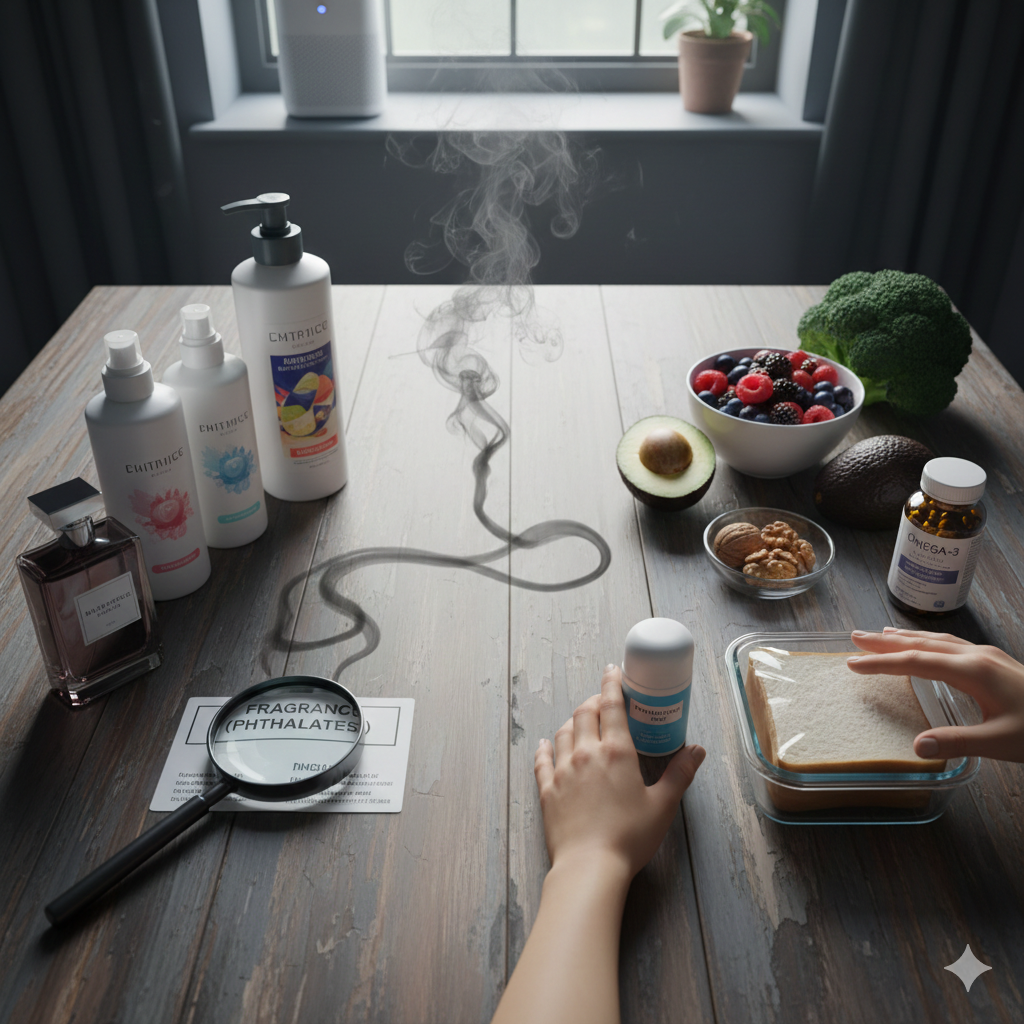
In personal care products (fragrances, cologne, lotions, shampoos, nail polish)
Household goods (cleaners, air fresheners, paints)
Medical devices (tubing, flexible plastic equipment)
Plastics (food packaging, toys, wraps)
And even through food contact during processing/storage
Their ubiquity means most people are exposed daily—sometimes multiple times. The doctors report phthalates are detectable in the urine of nearly all people.
How Do Phthalates Get Into Your Body?
Skin absorption: Direct use of personal care products
Inhalation: Breathing dust or indoor air where phthalates settle
Ingestion: Through contaminated food (from packaging, utensils, processing)
Why Are Phthalates Harmful?
Phthalates are endocrine disruptors—they mimic or interfere with hormones, including insulin, thyroid, and sex hormones. Frequent exposure can lead to a cascade of health issues.
Insulin Resistance & Diabetes
Phthalates disrupt insulin signaling, promote inflammation, and trigger oxidative stress. They also fuel the growth of fat cells (adipogenesis), which increases the risk of obesity and insulin resistance [2-5].
Evidence: Meta-analysis and population studies show higher phthalate exposure correlates with increased fasting glucose and insulin resistance markers—even in otherwise healthy adults.
Beyond Insulin Resistance
Reproductive Health: Can impair fertility and disrupt hormones
Child Development: Greater risk of neurodevelopmental delays and ADHD
Heart Disease: Elevated risk of hypertension or worsening cardiovascular biomarkers
Cancers: Associations with breast, testicular, and other hormone-related cancers
Reducing Your Phthalate Exposure
Total avoidance isn’t feasible, but simple steps cut your risk:
Ventilate indoors: Open windows or use air filters
Dust and clean often: HEPA vacuum to eliminate settled particles
Switch to natural products: Look for “phthalate-free” deodorants, lotions, and shampoos
Avoid “fragrance” or “perfume” on ingredient labels
Use phthalate-free plasticware and storage
Check certifications: Food containers, toys, packaging
Offsetting the Damage
If exposure has already occurred, support your body’s detox and defense systems:
Diet high in antioxidants: Eat berries, green vegetables, nuts
Support liver detox: Foods rich in glutathione (broccoli, avocados) and crucifers
Regular exercise: Boosts insulin sensitivity and speeds cellular repair
Anti-inflammatory foods: Omega-3s, turmeric, coconut oil
Supplement wisely: Vitamin D (supports hormone stability), probiotics (heal gut lining)
Monitor health: Regular blood sugar checks and consult your doctor about chemical exposures
The Bottom Line
Phthalates are everywhere—from beauty routines to household cleaners and even food packaging. Their role in hormonal disruption, insulin resistance, and other chronic illnesses makes them a real concern—not just a regulatory question.
Take action: Choose phthalate-free products, maintain clean air and surfaces at home, and build a nutrient-rich diet to counteract their effects. Small daily choices can add up to big improvements in metabolic, reproductive, and overall health.
References:
- CDC. “Fourth National Report on Human Exposure to Environmental Chemicals.” 2019.
- Heindel, J. J., et al. “Endocrine Disruptors and Obesity.” Nature Reviews Endocrinology, 2017.
- Lind, P. M., et al. “Exposure to Phthalates and Metabolic Disorders.” Environmental Health Perspectives, 2012.
- Cho, Y. H., et al. “Urinary Phthalate Metabolites and Oxidative Stress in Children.” Science of the Total Environment, 2015.
- Hatch, E. E., et al. “Association of Urinary Phthalate Metabolites with Obesity.” Environmental Health Perspectives, 2008.
- Kim, J. H., et al. “Phthalates and Insulin Resistance: A Meta-Analysis.” Environmental Research, 2021.
- Trasande, L., et al. “Urinary Phthalates and Insulin Resistance in Adolescents.” Diabetes Care, 2013.
- Braun, J. M., et al. “Prenatal Phthalate Exposure and Child Neurodevelopment.” Environmental Research, 2017.
- Ferguson, K. K., et al. “Detoxification of Phthalates in Humans.” Journal of Endocrinology, 2018.
- Intahphuak S, Khonsung P, Panthong A. Anti-inflammatory, analgesic, and antipyretic activities of virgin coconut oil. Pharm Biol. 2010;48(2):151-157.
- Li, Y., et al. “Vitamin D Deficiency and Endocrine Disruptor Exposure.” Journal of Steroid Biochemistry and Molecular Biology, 2020.