Type 2 diabetes has reached epidemic proportions—impacting more than 400 million people worldwide. Traditionally viewed as a chronic, progressive condition, it has long been managed primarily through medication, calorie restriction, and lifestyle adjustments.
But emerging evidence is rewriting the story. Instead of lifelong management, remission may be possible—and one of the most promising tools leading the way is a low-carbohydrate or ketogenic diet.
Let’s examine what science reveals about using low-carb strategies to reverse Type 2 diabetes, why they work, and how sustainable they really are.
The Problem with Conventional Diabetes Management
For years, traditional care focused almost exclusively on controlling blood sugar through drugs and portion management. While it can temporarily lower glucose, it rarely addresses the root cause: insulin resistance—the body’s inability to use insulin effectively.
Over time, this model leads to a frustrating cycle: escalating medication dependency, persistent fatigue, and worsening health markers. This has spurred clinicians and researchers to look deeper—toward nutrition-based solutions that repair metabolism at the source.
The Low-Carb Advantage: How It Works
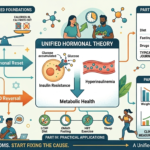
Carbohydrate intolerance is central to Type 2 diabetes. Every carbohydrate we eat becomes glucose in the blood, prompting insulin release to manage it. In an insulin-resistant person, this mechanism falters—glucose lingers in the bloodstream, driving further insulin secretion and fat storage.
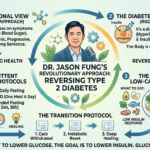
By reducing carbohydrate intake, low-carb and ketogenic diets lower both glucose and insulin levels, giving the metabolism a chance to reset . Over time, insulin sensitivity improves, enabling glucose to enter cells normally again.
This approach targets diabetes not as a blood sugar problem—but as a metabolic disorder rooted in insulin dysfunction.
Evidence from Clinical Trials
Among the strongest data supporting low-carb diets for diabetes remission come from Virta Health’s multi-year studies.
In a landmark two-year clinical trial, participants following a well-formulated ketogenic plan achieved :
12% average body weight reduction
1.3% average drop in HbA1c, a key blood sugar marker
94% reduction or elimination of insulin use
Over 50% achieving full diabetes remission
A 2020 meta-analysis further reinforced these findings—low-carb diets produced greater improvements in blood sugar control and HbA1c than low-fat diets .
These results suggest low-carb nutrition doesn’t just help manage Type 2 diabetes—it can reverse it.
Is It Sustainable?
Skeptics often question low-carb diets’ long-term feasibility. Yet real-world and clinical data show high adherence rates—especially when patients notice tangible improvements in energy, appetite, and medication reduction .
Keto’s natural appetite suppression from stabilized blood sugar and lower insulin levels also makes it more sustainable than many “willpower-only” diets .
Many patients report for the first time feeling “in control” of their hunger and glucose, rather than controlled by it.
Beyond Blood Sugar: Broader Benefits
The benefits of low-carb diets extend far beyond glucose control:
Improved lipid profiles: Lower triglycerides and increased HDL (the “good” cholesterol) support heart health.
Reduced inflammation: Studies consistently show lower markers of inflammation, which drive diabetic complications .
Visceral fat loss: This dangerous fat surrounding organs declines dramatically, improving insulin sensitivity.
In short, low-carb approaches correct the underlying metabolic dysfunction, not just surface symptoms.
Myths About Fats and Keto Safety
A common misconception is that eating more fat endangers heart health. In reality, when fats come from whole-food sources—like olive oil, avocados, nuts, eggs, beef, and fatty fish—they tend to have neutral or even favorable effects on cardiovascular risk markers .
The focus should remain on food quality, not fear of fat.
Leading Diabetes Organizations Are Catching Up
Once controversial, low-carb diets are now endorsed as viable medical nutrition therapy for Type 2 diabetes. Both the American Diabetes Association (ADA) and Diabetes UK acknowledge them as effective options for lowering blood sugar and reducing medication needs. It is high time for Diabetic Association of Pakistan to follow the suit.
Notably, the ADA’s 2019 consensus report concluded that reducing carbohydrate intake has the strongest evidence base of any dietary strategy for improving glycemic control.
Real People, Real Remission
The clinical data are now matched by thousands of personal success stories. Patients around the world have gone from taking multiple medications—including daily insulin—to complete remission within months of adopting a low-carb lifestyle.
While individual results vary, these outcomes demonstrate one crucial truth: Type 2 diabetes doesn’t always have to be permanent.
Conclusion: Hope, Rooted in Science
So, is reversing Type 2 diabetes through a low-carb diet hype? The science says it’s hope—powerfully supported by evidence.
By targeting insulin resistance directly, low-carb and ketogenic diets restore metabolic health, reduce the need for medication, and, for many, make remission a reality.
With the growing support of medical professionals and top diabetes organizations, this approach marks more than a dietary trend—it’s a paradigm shift in diabetes care.
For those living with Type 2 diabetes, the message has never been clearer: remission is possible—and it starts on your plate.
References
Feinman RD et al. Nutrition. 2015;31(1):1–13.
Hallberg SJ et al. Front Endocrinol. 2019;10:348.
Snorgaard O et al. BMJ Open Diabetes Res Care. 2017;5:e000354.
Yancy WS et al. Ann Intern Med. 2004;140(10):769–777.
Sumithran P, Proietto J. Obes Res Clin Pract. 2008;2(1):1–13.
Forsythe CE et al. Lipids. 2008;43(1):65–77.
Mozaffarian D et al. PLoS Med. 2010;7(3):e1000252.
Evert AB et al. Diabetes Care. 2019;42(5):731–754.