Insulin resistance—it’s at the heart of the world’s growing diabetes epidemic, fueling metabolic syndrome and countless chronic conditions. The good news? Many people can restore insulin sensitivity with the right steps and a bit of consistency. But how long does it take, and what does success really look like?
What is Insulin Resistance—and Why Should You Care?
Insulin is your body’s blood sugar gatekeeper—a hormone that helps move glucose out of your blood and into your cells for energy. When you develop insulin resistance, your cells stop responding effectively. The result: higher insulin and blood sugar levels, setting the stage for inflammation, weight gain, and type 2 diabetes.
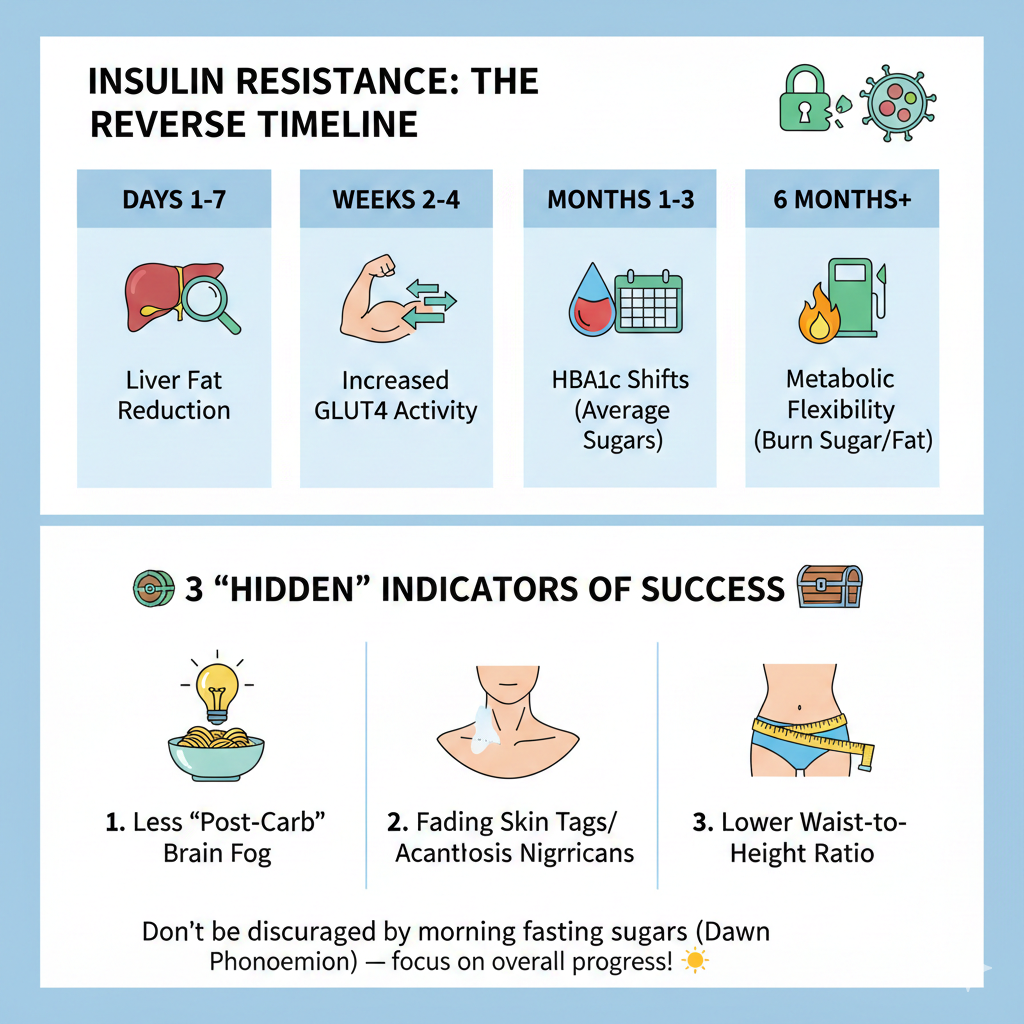
The Timeline for Turning Things Around
Everyone’s journey to improved insulin sensitivity is unique. Major factors include:
Your age and genetics
How long you’ve been insulin resistant
The severity of your current metabolic state
Diet, sleep quality, stress, and physical activity
Some see measurable results in just a few weeks, especially when insulin resistance is recent and changes are aggressive. Others may need several months (or longer) to reach their goal. Even modest improvements in insulin sensitivity can pay off, lowering risk for diabetes and metabolic trouble.
Science-Backed Steps to Reverse Insulin Resistance
1. Nutrition Makeover
Embrace a Low-Carb Diet: Cutting back on refined carbs and sugar lowers demands on your insulin system. Even moderate carb reduction often yields noticeable improvements within weeks.
Boost Healthy Fats: Avocado, olive oil, coconut, and nuts help stabilize blood sugars and improve insulin action.
Eat Fiber-Rich Foods: Non-starchy vegetables, certain fruits, and legumes slow glucose absorption and help insulin work better.
2. Move More
Aerobic Exercise: Regular walking, cycling, or swimming rapidly lowers blood sugar and increases insulin sensitivity—even after just a few sessions.
Strength Training: Building muscle means better glucose “storage” and higher metabolic health.
3. Reach a Healthy Weight
Even a 5–10% weight loss—if needed—can dramatically improve insulin action, sometimes in as little as a month.
4. Manage Stress
Mindfulness, meditation, yoga, and deep breathing reduce cortisol, making insulin’s job easier.
5. Get Enough Sleep
7–9 hours a night keeps your hormones balanced. Chronic sleep loss quickly worsens insulin resistance.
6. Consult Your Doctor if Needed
For severe cases, or when lifestyle measures aren’t enough, medication may help—but should always be combined with healthy habit changes.
Your Takeaway
Reversing insulin resistance isn’t overnight—but for many, real progress is possible within weeks to months. Focus on real foods, daily movement, sleep, and stress management. Celebrate small wins—every bit of improvement tilts your health in the right direction.
By staying patient, consistent, and informed, you can reclaim metabolic health, drop disease risks, and boost energy and vitality for years to come.
References
- Westman, E. C., Yancy, W. S., Mavropoulos, J. C., Marquart, M., & McDuffie, J. R. (2008). The effect of a low-carbohydrate, ketogenic diet versus a low-glycemic index diet on glycemic control in type 2 diabetes mellitus. Nutrition & metabolism, 5(1), 36.
- Paniagua, J. A., Gallego de la Sacristana, A., Romero, I., Vidal-Puig, A., Latre, J. M., Sanchez, E., … & Perez-Martinez, P. (2007). Monounsaturated fat-rich diet prevents central body fat distribution and decreases postprandial adiponectin expression induced by a carbohydrate-rich diet in insulin-resistant subjects. Diabetes care, 30(7), 1717-1723.
- Weickert, M. O., Mohlig, M., Schofl, C., Arafat, A. M., Otto, B., Viehoff, H., … & Pfeiffer, A. F. H. (2006). Cereal fiber improves whole-body insulin sensitivity in overweight and obese women. Diabetes care, 29(4), 775-780.
- Colberg, S. R., Sigal, R. J., Yardley, J. E., Riddell, M. C., Dunstan, D. W., Dempsey, P. C., … & Tate, D. F. (2016). Physical activity/exercise and diabetes: a position statement of the American Diabetes Association. Diabetes care, 39(11), 2065-2079.
- Dunstan, D. W., Daly, R. M., Owen, N., Jolley, D., De Courten, M., Shaw, J., & Zimmet, P. (2002). High-intensity resistance training improves glycemic control in older patients with type 2 diabetes. Diabetes care, 25(10), 1729-1736.
- Wing, R. R., & Phelan, S. (2005). Long-term weight loss maintenance. The American journal of clinical nutrition, 82(1), 222S-225S.
- Chiesa, A., Serretti, A., & Jakobsen, J. C. (2015). Mindfulness: Top-down or bottom-up emotion regulation strategy?. Clinical psychology review, 37, 82-96.
- Nedeltcheva, A. V., Kilkus, J. M., Imperial, J., Schoeller, D. A., & Penev, P. D. (2010). Insufficient sleep undermines dietary efforts to reduce adiposity. Annals of internal medicine, 153(7), 435-441.
- DeFronzo, R. A., & Abdul-Ghani, M. (2011). Preservation of β-cell function: the key to diabetes prevention. Journal of clinical endocrinology & metabolism, 96(8), 2354-2366.