
Before glucose monitors, before smart scales, before lab panels —
There was resting heart rate.
Your resting heart rate (RHR) reflects how hard your heart works to keep you alive at rest.
It’s one of the simplest — and most revealing — metabolic indicators you can track daily.
What Is a Healthy Resting Heart Rate?
For most adults:
-
60–100 bpm → general medical reference range
-
55–70 bpm → common in metabolically healthy, active adults
-
Below 60 bpm → often seen in trained individuals (if asymptomatic)
Higher is not always dangerous.
Lower is not always superior.
But trends matter.
Why RHR Reflects Metabolic Health
-
Sympathetic nervous system (fight-or-flight)
-
Parasympathetic nervous system (rest-and-recover)
Chronic stress, insulin resistance, poor sleep, and inactivity push sympathetic dominance.
That often raises resting heart rate.
Large population studies show:
-
Higher RHR is associated with increased cardiovascular risk
-
Elevated RHR correlates with lower cardiorespiratory fitness
-
Insulin resistance and metabolic syndrome often coexist with higher resting heart rates
Fitness improves autonomic balance.
Autonomic balance lowers RHR over time.
The Insulin–Heart Rate Connection
When glucose regulation is unstable:
-
Insulin rises frequently
-
Sympathetic tone increases
-
Inflammation rises
-
Recovery declines
People with type 2 diabetes often have:
-
Reduced heart rate variability (HRV)
-
Higher resting heart rates
-
Greater autonomic dysfunction
Improving metabolic flexibility can improve autonomic markers over time.
Can Low-Carb Nutrition Influence RHR?
Lower-carbohydrate patterns may help by:
-
Reducing glucose variability
-
Lowering insulin demand
-
Reducing inflammatory load
-
Supporting fat oxidation
When combined with:
-
Strength training
-
Adequate sleep
-
Stress reduction
Many individuals observe gradual reductions in resting heart rate over weeks to months.
Not because carbs are “evil.”
But because metabolic stability improves.
The Smart Way to Lower Resting Heart Rate
Full-body resistance training improves:
-
Insulin sensitivity
-
VO₂ max
-
Stroke volume
-
Recovery capacity
2️⃣ Walk Daily
Zone 2 aerobic work enhances mitochondrial efficiency and lowers baseline heart strain.
3️⃣ Stabilize Blood Sugar
Protein-centered meals with natural fats can:
-
Reduce large glucose spikes
-
Improve satiety
-
Support autonomic balance
4️⃣ Prioritize Sleep
Poor sleep raises:
-
Cortisol
-
Resting heart rate
-
Morning glucose
7–9 hours of quality sleep consistently lowers sympathetic drive.
5️⃣ Manage Stress
Breathing practices, prayer, journaling, or quiet reflection reduce heart rate acutely and improve HRV long term.
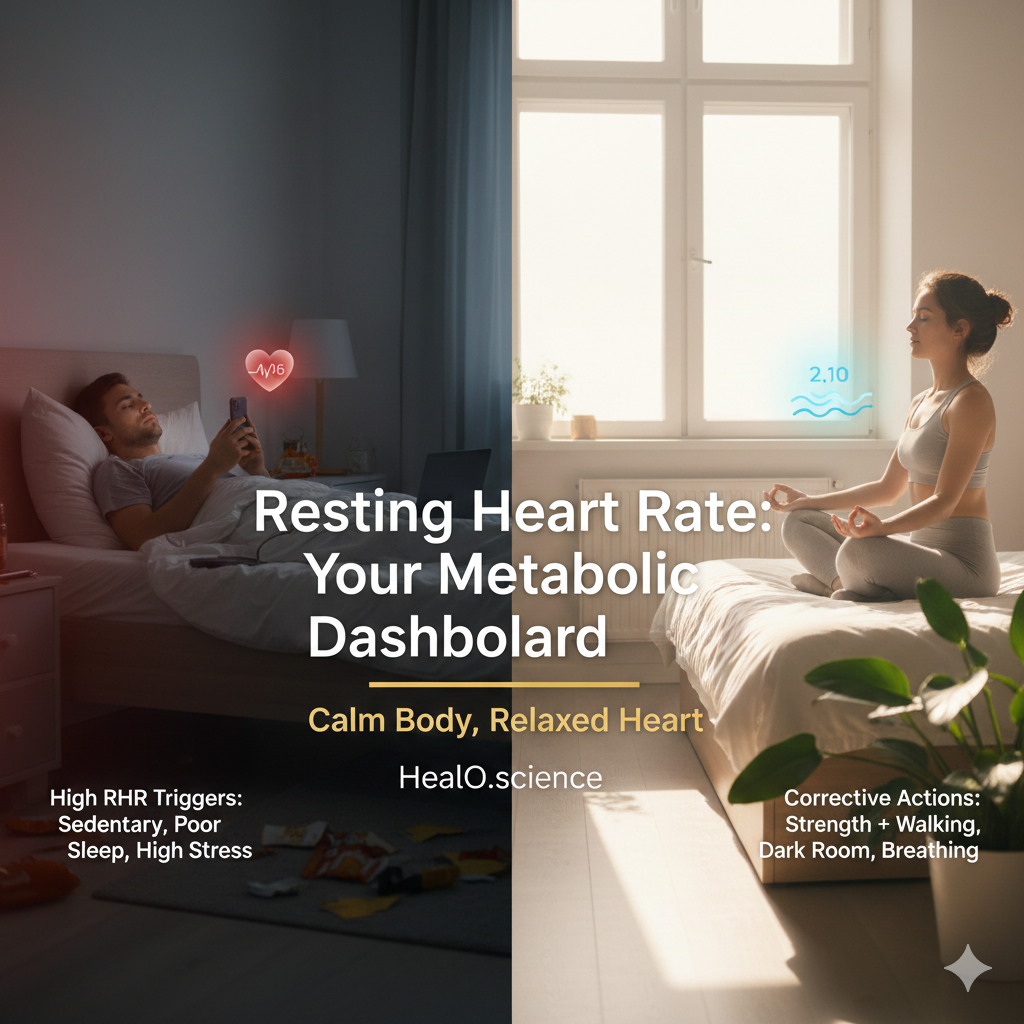
High RHR Triggers vs Corrective Actions
| Common Driver | Corrective Lever | Expected Effect |
|---|---|---|
| Sedentary lifestyle | Strength + walking | Improved conditioning |
| Poor sleep | Dark room, fixed schedule | Lower sympathetic tone |
| High stress | Breathing practice | Increased HRV |
| Glucose swings | Protein-centered meals | Stabilized autonomic response |
| Overtraining | Reduce volume | Better recovery |
What About “Very Low” Heart Rates?
A resting heart rate in the 40s–50s can be normal for:
-
Endurance-trained athletes
-
Highly conditioned individuals
But symptoms like dizziness, fatigue, or fainting require medical evaluation.
Lower is not automatically better.
Resilience is better.
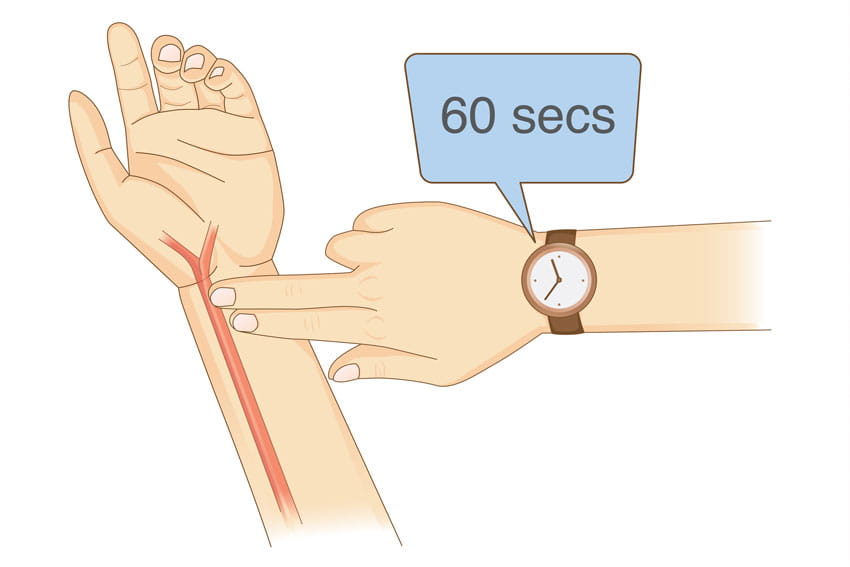
How to Track Properly
Measure RHR:
-
Immediately upon waking
-
Before caffeine
-
Before checking your phone
-
In a relaxed position
Wearables (Oura, Fitbit, Apple Watch, Garmin) can track trends.
Ignore single-day fluctuations.
Watch weekly trends.
Consistency tells the story.
For Families Managing Diabetes
Stable glucose → lower autonomic stress → better recovery.
For type 1:
-
Fewer glucose swings may improve HRV
-
Monitor closely during exercise
For type 2:
-
Strength training + weight reduction often lower RHR gradually
-
Medication adjustments must remain clinician-guided
RHR is a marker.
Not a diagnosis.
The HealO Perspective
Resting heart rate is not about chasing elite athlete numbers.
It’s about asking:
Is my body calm at rest?
Or chronically activated?
When you combine:
-
Whole-food nutrition
-
Adequate protein
-
Strength training
-
Daily movement
-
Deep sleep
-
Stress regulation
Your heart doesn’t have to work as hard.
And when your heart rests easier,
your metabolism usually does too.
References
- https://www.sciencedirect.com/science/article/abs/pii/S0002870310000694?s=09
- https://pmc.ncbi.nlm.nih.gov/articles/PMC6398339/
- https://pmc.ncbi.nlm.nih.gov/articles/PMC4170780/
- https://pmc.ncbi.nlm.nih.gov/articles/PMC10605332/
- https://www.ayubmed.edu.pk/JAMC/24-2/Shemaila.pdf
- https://diabetesjournals.org/care/article/43/5/1126/35711/Both-Prediabetes-and-Type-2-Diabetes-Are
- https://www.reddit.com/r/Garmin/comments/11xf0ub/4_weeks_since_i_transitioned_to_a_low_carblow/
- https://pmc.ncbi.nlm.nih.gov/articles/PMC10174582/
- https://www.heart.org/en/health-topics/arrhythmia/about-arrhythmia/bradycardia–slow-heart-rate
- https://pmc.ncbi.nlm.nih.gov/articles/PMC5912047/
- https://www.pjms.org.pk/index.php/pjms/article/view/3675