The ketogenic diet is famous for its success in weight loss, metabolic health, and diabetes management—but can it also fuel high athletic performance?
Athletes, coaches, and scientists have long debated whether a high-fat, low-carbohydrate strategy like keto can sustain competitive strength, endurance, and recovery. Let’s dive into what the current science says—where keto excels, where it may fall short, and who can benefit most.
How Keto Alters Athletic Metabolism
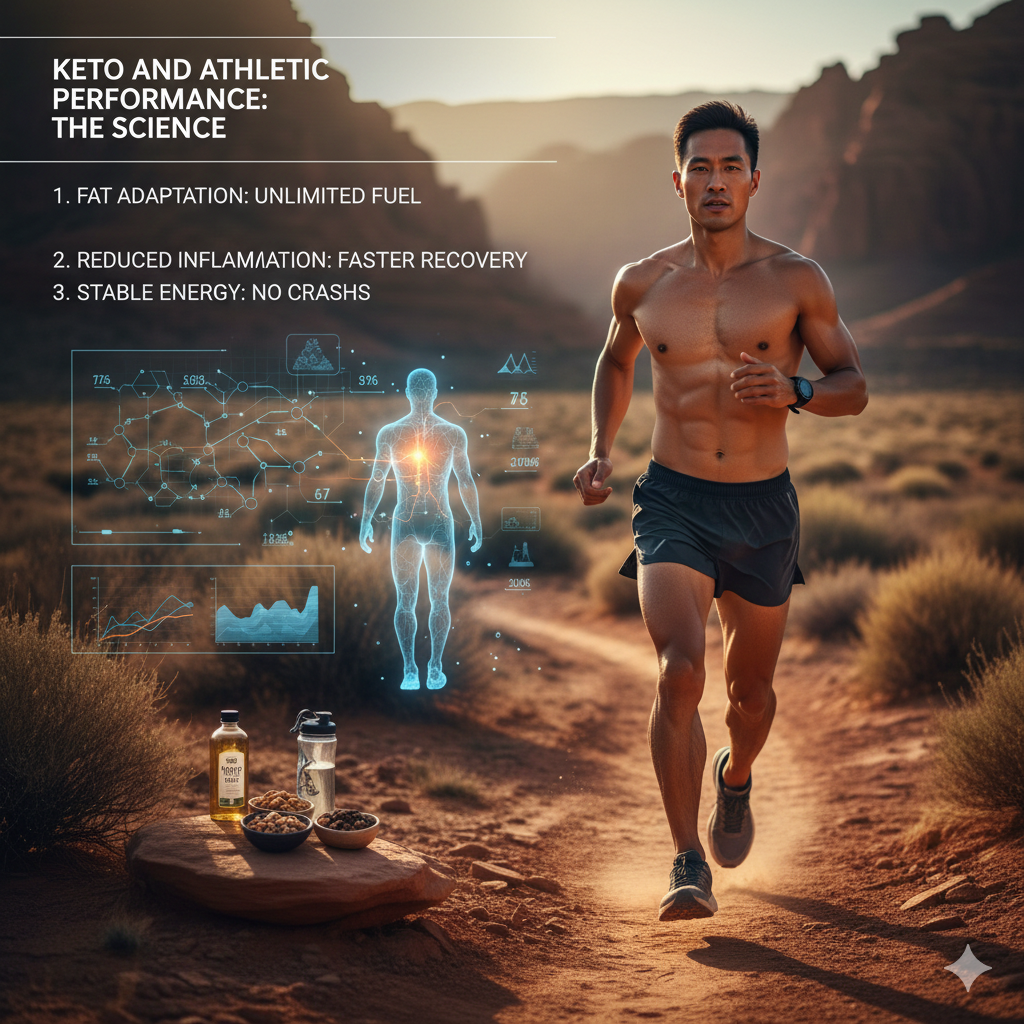
On a conventional high-carbohydrate diet, your body primarily burns glucose for energy. In contrast, a ketogenic diet shifts the body into fat adaptation, where fats and ketones become the main energy sources.
This adaptation significantly enhances the body’s ability to utilize stored fat as fuel—especially during moderate-to-long exercise—while sparing the limited glycogen reserves for moments of peak intensity.
The result? Many endurance athletes report more stable energy, fewer “bonks,” and improved metabolic efficiency.
Endurance Athletes: Where Keto Excels
For marathoners, triathletes, and ultra-endurance competitors, the benefits of keto are particularly compelling:
Enhanced fat oxidation: Keto-adapted athletes can burn fat 2–3 times more efficiently—even at high intensities.
Stable energy supply: Fat stores provide an almost limitless source of fuel, minimizing mid-race crashes.
Reduced inflammation and faster recovery: Lower oxidative stress markers have been observed in keto-trained athletes.
A landmark study by Volek et al. found that ultra-endurance athletes on a ketogenic diet demonstrated fat oxidation rates 2.3 times higher than their high-carb peers—without any loss of performance.
High-Intensity Performance: A Complex Trade-Off
When it comes to power and sprint-based activities—such as CrossFit, Olympic lifting, or short bursts of speed—results are more nuanced.
High-intensity, anaerobic performance relies heavily on glycolysis, which requires quick-burning glucose. During early keto adaptation, lower glycogen availability can cause a slight drop in peak power output or explosive strength.
However, with full adaptation (often 4–8 weeks), many athletes regain or even outperform previous levels, especially when using targeted or cyclical keto approaches that strategically reintroduce carbs for key training sessions.
Body Composition and Strength
Keto’s benefits extend beyond endurance. It’s highly effective for improving body composition, preserving muscle, and reducing fat when paired with resistance training.
Research shows that resistance-trained individuals on keto maintain or slightly increase muscle mass while losing fat . Lower insulin levels minimize inflammation and water retention, contributing to a “tighter” and more defined physique—ideal for athletes in weight-class or aesthetic sports.
Recovery, Inflammation, and Resilience
The post-exercise recovery phase is when keto quietly shines. The diet’s naturally anti-inflammatory profile may lower muscle soreness and oxidative stress, supporting better recovery cycles.
Ketones, particularly β-hydroxybutyrate, function as signaling molecules that boost mitochondrial efficiency and reduce cellular damage—valuable traits for endurance and aging athletes alike. Many also report improved sleep quality and joint comfort when fully fat-adapted.
Hydration and Electrolyte Balance: The Hidden Key
Early adaptation to keto can lead to electrolyte loss as carb restriction depletes glycogen and water stores. Left unmanaged, this can cause fatigue, cramps, and short-term dips in performance.
Athletes should prioritize replenishing:
Sodium (via broth, salt, or electrolyte drinks)
Potassium (from avocado, leafy greens)
Magnesium (from nuts, seeds, or supplements)
Maintaining electrolyte balance supports muscle contraction, hydration, and overall endurance—crucial for athletes training in heat or for long durations.
Strategic Hybrids: Targeted and Cyclical Keto
For mixed-sport or power athletes, hybrid keto strategies offer flexibility without sacrificing adaptation:
Targeted Keto: Carbs consumed just before or after intense workouts to restore glycogen.
Cyclical Keto: Alternating between strict keto days and higher-carb refeed days to boost performance and recovery.
These methods keep athletes metabolically flexible—able to burn both fat and glucose efficiently—while still reaping the anti-inflammatory and body composition benefits of ketosis.
Who Should Consider Keto for Athletic Performance?
Keto may be ideal for:
Endurance athletes seeking longer-term energy stability
Athletes recovering from overtraining or chronic inflammation
Weight-class competitors aiming for fat reduction without strength loss
Older athletes interested in preserving muscle and brain function
However, athletes focused on peak anaerobic output or explosive bursts may perform best on modified keto plans that incorporate timed carbohydrates.
Conclusion: A Powerful, Strategic Performance Tool
The ketogenic diet is transforming how many athletes think about fuel and recovery. It’s not a one-size-fits-all solution—but when implemented wisely, keto can dramatically improve fat utilization, recovery, and metabolic health.
For endurance athletes and those prioritizing body composition and longevity, keto offers a distinct advantage. With careful electrolyte management, proper adaptation, and—when needed—targeted carb timing, running on fat can indeed mean running stronger, longer, and leaner.
References
Volek JS, Phinney SD. The Art and Science of Low Carbohydrate Performance. Beyond Obesity LLC; 2012.
Lambert EV, Speechly DP, Dennis SC, Noakes TD. Eur J Appl Physiol Occup Physiol. 1994;69(4):287–293.
Zinn C, Wood M, Williden M, et al. J Int Soc Sports Nutr. 2017;14(1):22.
White AM, Johnston CS, Swan PD, et al. Metab Syndr Relat Disord. 2007;5(4):343–349.
Volek JS, Noakes T, Phinney SD. Eur J Sport Sci. 2015;15(1):13–20.
Rhyu HS, Cho SY. J Exerc Rehabil. 2014;10(5):326–331.
Paoli A, Grimaldi K, D’Agostino D, et al. J Int Soc Sports Nutr. 2012;9(1):34.
Newman JC, Verdin E. Annu Rev Nutr. 2017;37:51–76.
Vargas S, Romance R, Petro JL, et al. J Int Soc Sports Nutr. 2018;15:31.