Skinny Fat: Why Being Slim Isn’t Always Being Healthy
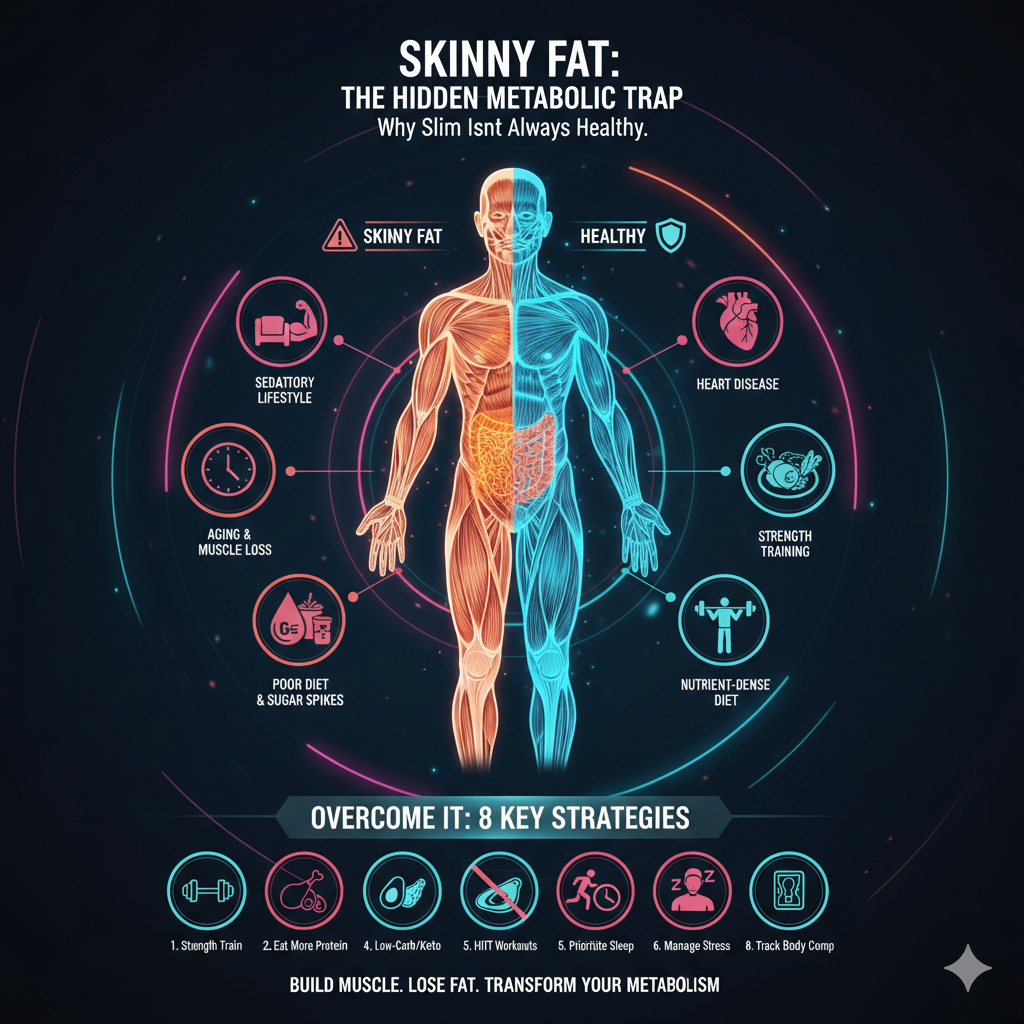
Looks can be deceiving. Many people with a “normal” weight and Body Mass Index (BMI) are surprised to learn they are actually “skinny fat”—a term describing a body composition with too much fat and not enough muscle. While your weight or BMI may look good on paper, hidden fat (especially visceral fat around your organs) and lower muscle mass can increase your risk for heart disease, diabetes, and metabolic syndrome.
What Does “Skinny Fat” Really Mean?
Definition:
Despite having a BMI under 25, people who are “skinny fat” have high body fat percentages and low muscle mass.
Health Risks:
Studies show that body composition—not BMI—is a far better predictor of disease risk and long-term health. More fat, especially around vital organs, raises the likelihood of cardiovascular problems, insulin resistance, and metabolic issues—even if you look slim on the outside.youtube
What Causes Skinny Fat?
Sedentary Lifestyle:
The biggest culprit. Without regular exercise—especially resistance (strength) training—muscles shrink while fat creeps up, particularly if your daily activity is limited.
Aging:
After age 30, muscle loss (sarcopenia) accelerates and is often replaced by fat.
Poor Diet:
Diets high in processed carbs, sugars, and low in protein help pack on the fat and make it harder to maintain muscle.
Genetics:
Some are predisposed to store more visceral fat—though healthy habits still make a difference.
Chronic Stress & Poor Sleep:
Both can increase cortisol, leading to more fat storage and muscle loss.
How Do You Know if You’re Skinny Fat?
High body fat percentage (over 20% for men, 30% for women) despite a healthy weight
Soft appearance (low muscle definition), especially in the belly, hips, or thighs
Low physical strength or difficulty with basic bodyweight exercises
Fatigue, insulin resistance, or other metabolic signs (cravings, sluggishness)
How to Overcome Skinny Fat: Strategy Checklist
1. Emphasize Strength Training
Prioritize resistance exercises (squats, deadlifts, push-ups, rows) 2–4 times per week.
Building muscle is the only way to truly change skinny-fat body composition.
2. Eat More Protein
Aim for 1.2–1.6 grams per kilogram of body weight (or 0.55–0.7g per pound).
Good choices: beef, eggs, fish, Greek yogurt, fermented plant protein.
3. Choose a Low-Carb or Keto Diet
Limit processed carbs and prioritize healthy fats and proteins.
This approach helps regulate insulin, burn visceral fat, and preserve muscle.
4. Add HIIT Workouts
High-Intensity Interval Training burns fat and helps maintain lean mass, even for people who aren’t overweight.
5. Cut Processed & Sugary Foods
Swap out white bread, chips, cookies, and soda for whole foods to manage insulin and visceral fat.
6. Get Enough Sleep
Prioritize 7–9 hours of restorative sleep each night.
7. Manage Stress
Chronic stress drives up cortisol—a hormone that promotes fat accumulation (especially in the belly).
8. Track Body Composition
Use tools like bioelectrical impedance or DEXA scans for a clearer picture of fat vs. muscle.
9. Supplement if Needed
Omega-3s, creatine, and BCAAs can help reduce inflammation, support recovery, and build muscle (but aren’t replacements for a solid diet and routine).
10. Stay Consistent
Long-term, steady habits—not quick fixes—bring real body composition changes.
Conclusion
Being skinny fat isn’t just about appearance—it quietly increases real health risks. The good news is you can change your body composition and boost your metabolic health with the right plan: focus on strength, fuel muscles with protein, limit processed carbs, and make recovery a priority. Over time, you’ll gain muscle, lose stubborn fat, and lay the foundation for lifelong wellness.
References
- Mørkeberg J, et al. (2015). “Body composition and health outcomes: Is BMI the best indicator?” Obesity Reviews, 16(7): 600-617.
- Rosenberg IH. (1997). “Sarcopenia: origins and clinical relevance.” The Journal of Clinical Endocrinology & Metabolism, 82(12): 3913-3915.
- Schoenfeld BJ, et al. (2016). “Resistance Training for Muscle Hypertrophy.” The Journal of Strength and Conditioning Research, 30(4): 1070-1085.
- Leidy HJ, et al. (2015). “The role of protein in weight loss and maintenance.” The American Journal of Clinical Nutrition, 101(6): 1320S-1329S.
- Yancy WS, et al. (2004). “A low-carbohydrate, ketogenic diet to treat obesity and hyperlipidemia: a randomized, controlled trial.” The Journal of Clinical Nutrition, 79(5): 905-910.
- Boutcher SH. (2011). “High-intensity intermittent exercise and fat loss.” The Journal of Obesity, 2011: 868305