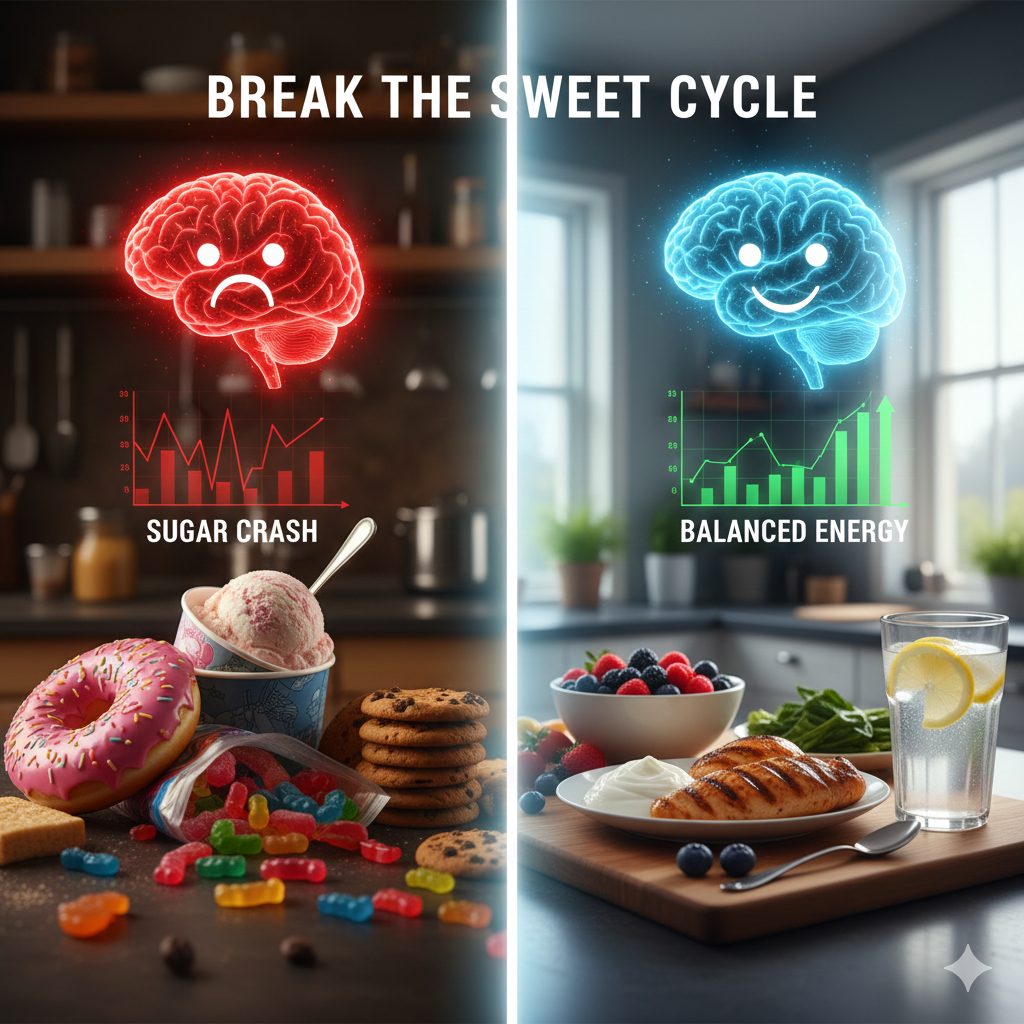
Sugar sneaks into nearly everything we eat—and its overconsumption is linked to weight gain, diabetes, and heart disease. Want to cut back and feel better? Here’s how to detox from sugar successfully, step by step.
Why Go Sugar-Free?
Too much sugar raises your risk of chronic diseases like obesity, type 2 diabetes, and heart problems. Cutting back isn’t just about weight—it’s about more energy, better mood, and long-term health.
Your Sugar Detox Roadmap
1. Learn Where Sugar Hides
Start by reading labels. Sugar goes by many names: sucrose, high-fructose corn syrup, agave, and more. Check sauces, snacks, drinks, and even “healthy” packaged foods.
2. Set Realistic, Clear Goals
Don’t aim for perfection overnight. Maybe you’ll ditch soda for a week or cut dessert portions in half. Setting small, achievable milestones boosts your odds of sticking with it.
3. Plan and Prep Your Meals
A successful detox requires planning. Load your fridge and pantry with proteins, fresh veggies, and a few low-sugar fruits. The less processed food you have around, the easier it is to avoid temptation.
Sticking With It: Tips for Success
Go Gradual
Instead of quitting sugar cold turkey (which can backfire!), try tapering off. Cut one sweet thing at a time—for example, replace sugary drinks with water this week, then reduce snacks the next.
Drink More Water, Eat More Protein
Staying hydrated curbs cravings. Eating protein at every meal keeps you feeling full and helps you avoid old habits.
Find Healthy Swaps
Satisfy sweet cravings naturally—with berries, Greek yogurt, or a handful of nuts. High-protein foods like eggs, cheese, or meat can help you feel more satisfied and less tempted by sugar.
Watch Out for Hidden Sugars
Salad dressings, ketchup, granola bars, and even bread might be packed with sugar. Choose products with minimal added sweeteners or make your own at home.
Long-Term Strategies
Practice Mindful Eating
Eat slowly and pay attention to your food. Savor each bite and be deliberate about what—and how much—you eat. This helps prevent mindless munching on sweets.
Stay Active
Exercise regulates your blood sugar, boosts your mood, and helps manage cravings. Mix in both cardio and strength workouts for added benefit.
Build Your Support Network
Tell friends or family about your goals, or join an online group. Sharing your journey keeps you accountable—and motivated.
The Bottom Line
A sugar detox isn’t about deprivation. With gradual changes, mindful habits, thoughtful planning, and a little support, you’ll reset your taste buds, control cravings, and lay the foundation for lifelong health. Start small, stay committed, and celebrate every win on your path to a lower-sugar, higher-energy life!
References
- Yang, Q., Zhang, Z., Gregg, E. W., Flanders, W. D., Merritt, R., & Hu, F. B. (2014). Added sugar intake and cardiovascular diseases mortality among US adults. JAMA Internal Medicine, 174(4), 516–524.
- Malik, V. S., Popkin, B. M., Bray, G. A., Després, J. P., Willett, W. C., & Hu, F. B. (2010). Sugar-sweetened beverages and risk of metabolic syndrome and type 2 diabetes: a meta-analysis. Diabetes Care, 33(11), 2477–2483.
- Mozaffarian, D., Hao, T., Rimm, E. B., Willett, W. C., & Hu, F. B. (2011). Changes in diet and lifestyle and long-term weight gain in women and men. The New England Journal of Medicine, 364(25), 2392–2404.
- Dalton, M., Finlayson, G., Walsh, B., & Halseth, A. (2013). Early-phase study of the effects of repeated exposure to the reduced-energy snacks on energy intake. The American Journal of Clinical Nutrition, 97(3), 554–563.
- Kohanmoo, A., Faghih S, Akhlaghi M. (2020). Effect of short- and long-term protein consumption on appetite and appetite-regulating gastrointestinal hormones, a systematic review and meta-analysis of randomized controlled trials. Physiology & Behavior 1:226:113123. doi: 10.1016/j.physbeh.2020.113123. Epub 2020 Aug 5.
- Kristeller, J. L., & Wolever, R. Q. (2011). Mindfulness-based eating awareness training for treating binge eating disorder: the conceptual foundation. Eating Disorders, 19(1), 49–61.
- Umpierre, D., Ribeiro, P. A., Schaan, B. D., Ribeiro, J. P., & International Hypoxia Network. (2011). Volume of supervised exercise training impacts glycaemic control in patients with type 2 diabetes: a systematic review with meta-regression analysis. Diabetologia, 56(2), 242–251.
- Ball, K., Jeffery, R. W., Abbott, G., McNaughton, S. A., & Crawford, D. (2010). Is healthy behavior contagious: associations of social norms with physical activity and healthy eating. International Journal of Behavioral Nutrition and Physical Activity, 7(1), 86.