

Vitamin D isn’t just a vitamin.
It behaves like a hormone — influencing:
Immune defense
Bone mineralization
Insulin sensitivity
Inflammation
Muscle strength
Mood regulation
In South Asia, deficiency is extremely common due to:
Indoor lifestyles
Winter smog
Covered clothing
Darker skin (lower UVB synthesis)
Sunscreen use
Why Levels Matter (Not Just Intake)
The test that matters: 25(OH)D blood level
General reference ranges:
<20 ng/mL → Deficient
20–30 ng/mL → Insufficient
30–40 ng/mL → Adequate for many
40–60 ng/mL → Often considered optimal for immune/metabolic support
Severe deficiency increases risk of:
Rickets (children)
Osteomalacia (adults)
Fractures
Muscle weakness
Higher levels are associated with:
Improved immune response
Better pregnancy outcomes
Reduced respiratory infection risk (modest but meaningful in meta-analyses)
Vitamin D also modulates immune tolerance — relevant for autoimmune conditions including type 1 diabetes risk environments.
🧬 Genetics Matter
Some individuals maintain healthy levels on 800–1,000 IU daily.
Others require 2,000–5,000 IU daily to reach mid-range levels.
Absorption depends on:
Body fat percentage
Liver function
Magnesium status
Genetic polymorphisms (VDR variants)
Testing beats guessing.
D3 vs D2 — Important Difference
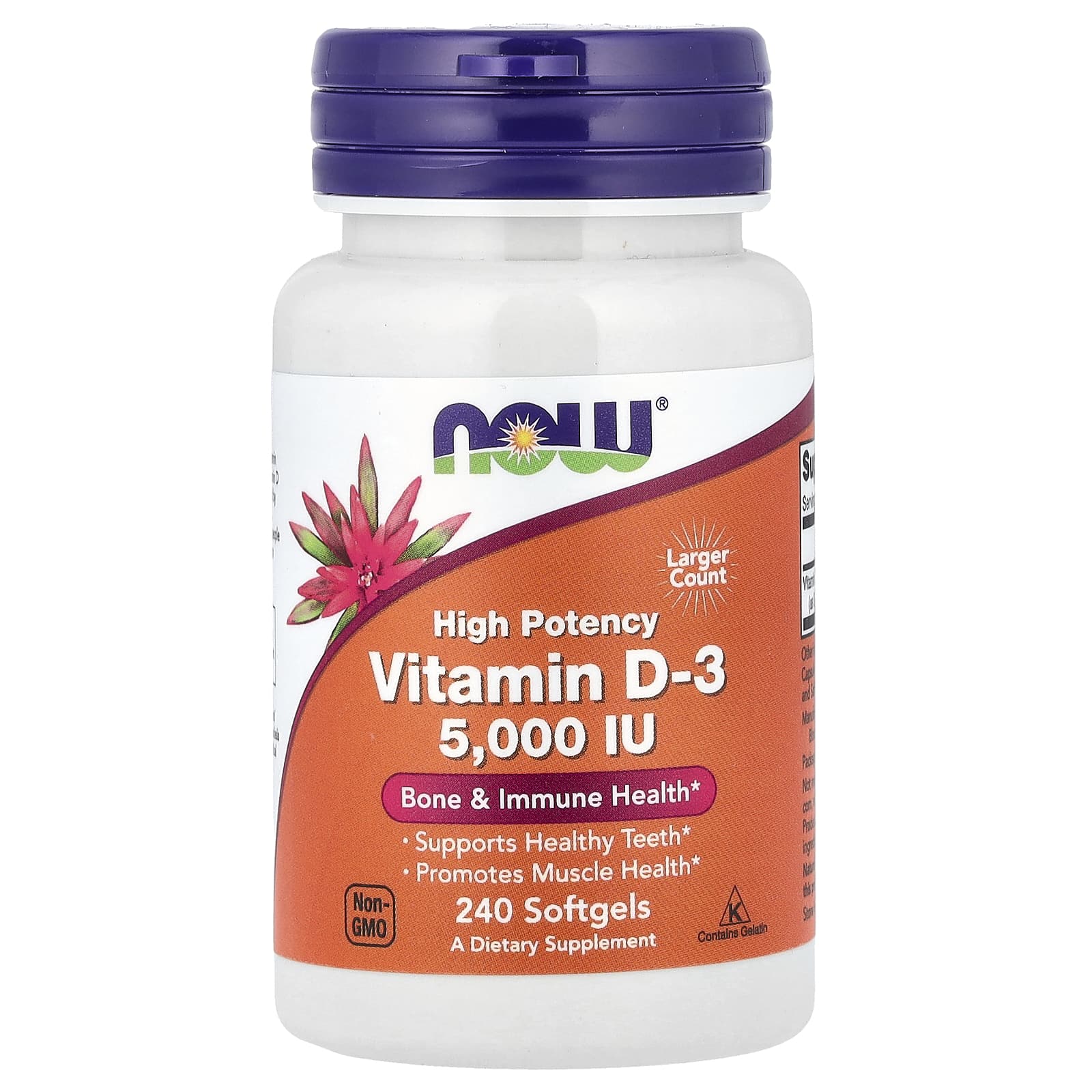
Choose Vitamin D3 (cholecalciferol)
Why?
More effective at raising blood levels
Longer half-life
More biologically active
Sources:
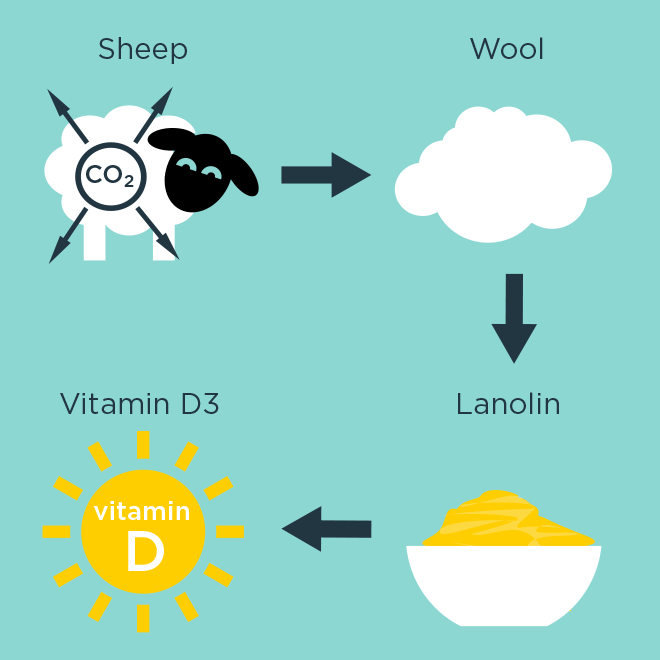
Lanolin-derived (common)
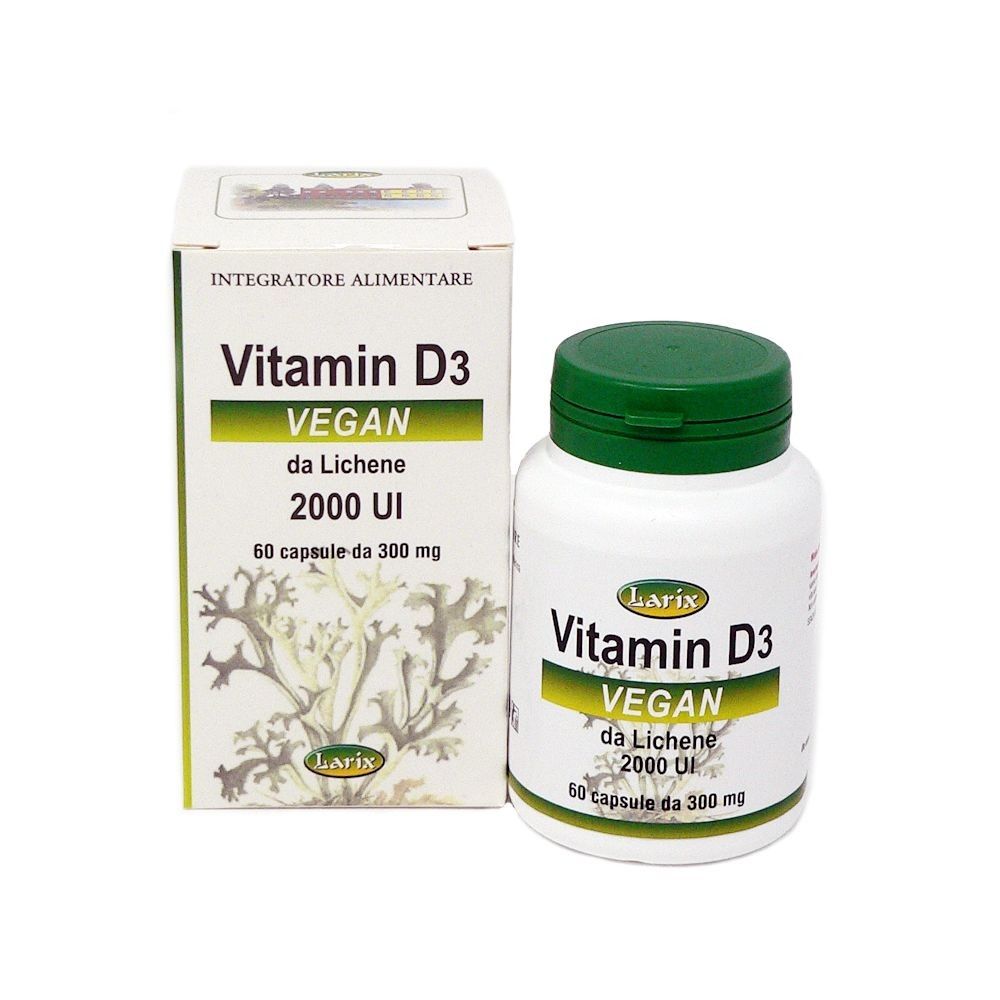
Lichen-derived (vegan option)
Vitamin D2 (ergocalciferol) is less potent and less stable.
Sunlight in Pakistan
Midday sun exposure:
15–30 minutes on arms/face
Without glass barriers
Without sunscreen (short exposure only)
Challenges:
Islamabad/Lahore winter smog
Indoor schooling
Covered clothing
Office lifestyles
Food alone cannot correct deficiency:
Egg yolks
Fatty fish
Full-fat dairy
These help — but usually aren’t enough.
Metabolic & Diabetes Connection
Vitamin D influences:
Insulin receptor expression
Pancreatic beta-cell function
Inflammatory cytokines
Muscle glucose uptake
Low levels are associated with:
Insulin resistance
Higher HbA1c
Increased autoimmune activity
Supplementation shows:
Modest improvements in insulin sensitivity in deficient individuals
Reduced respiratory infection risk
Improved maternal-fetal outcomes
It’s supportive — not a cure.
Safety & Dosing
Vitamin D is fat-soluble.
General safe upper intake (without medical supervision):
~4,000 IU/day for adults (varies by guideline)
Clinical correction doses:
Often 2,000–5,000 IU/day
Sometimes higher short-term under supervision
Toxicity is rare but possible at sustained very high levels.
Concern usually begins when blood levels exceed ~150 ng/mL.
Important cofactors:
Magnesium
Vitamin K2 (for calcium directionality)
Always recheck levels after 8–12 weeks.
Children (especially type 1 diabetes):
→ Supplement only under pediatric supervision.
Practical Plan
| Risk | Practical Fix | Why It Helps |
|---|---|---|
| Winter indoors | 2,000–4,000 IU D3 daily (test first) | Restore immune balance |
| Diabetes family | Test every 3–6 months | Optimize insulin sensitivity |
| Low sun exposure | Midday park walks | Natural production + activity |
| Low magnesium diet | Add nuts/seeds/greens | Better D activation |
Pair D3 with a meal containing fat for better absorption.
Low-Carb Synergy
Vitamin D supports:
Muscle insulin sensitivity
Mood (serotonin pathways)
Reduced inflammatory burden
When combined with:
Whole foods
Outdoor movement
Proper sleep
Reduced refined carbs
Metabolic stability improves significantly.
Bottom Line
Don’t supplement blindly.
Don’t fear the sun.
Don’t ignore testing.
Measure → Correct → Retest.
Vitamin D isn’t magic.
But in a deficient population, correction can be transformational.
References
- https://www.vitamindcouncil.org/