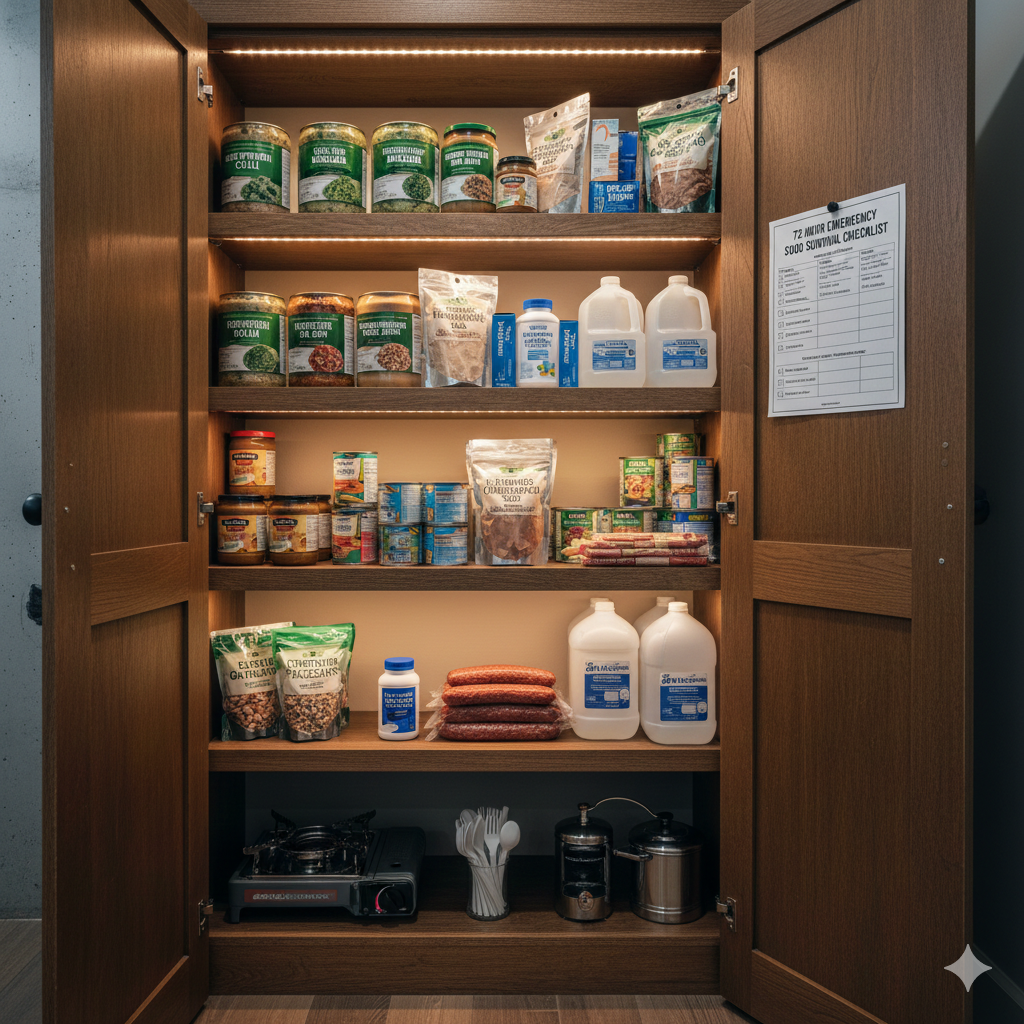
In an uncertain world, preparedness isn’t paranoia—it’s peace of mind. From natural disasters, power outages to supply chain disruptions and global or national emergencies, food access can suddenly become limited. When that happens, having an emergency food pantry isn’t just smart—it’s essential.
A well-stocked, nutritionally balanced food pantry protects your family when circumstances shift without warning. It’s a small investment that guarantees stability, endurance, and health when everything else feels uncertain.
Why Emergency Preparedness Matters
Emergencies rarely announce themselves. Rains, windstorms, floods, snowstorms, and blackouts can all strip grocery store shelves bare in hours. In such moments, having foods that don’t rely on refrigeration, electricity, or extensive cooking can make the difference between panic and peace.
An emergency food pantry ensures that you and your loved ones have access to essential calories, hydration, and nutrients—freeing you from relying on uncertain supply chains or last-minute scavenging. Think of it as an insurance policy for your most basic human need.
What Is an Emergency Food Pantry?
An emergency food pantry is a pre-assembled collection of long-shelf-life meals and vital supplies meant to sustain one or more people through a crisis.
Good pantry is portable, easy to store, and balanced for energy and nutrition. They can serve households sheltering inside home or provide quick nourishment if you need to evacuate.
Most ideal emergency food pantry contains:
Non-perishable meals formulated for balanced nutrition
Portable healthy snacks for fast energy
Bottled water or purification tablets for flexible hydration
Basic cooking or utensils when relevant
Special provisions for medical or dietary restrictions
The Importance of Being Prepared
Food security directly influences calmness, decision-making, and physical health. When hunger or nutrient depletion sets in, stress escalates. Energy reserves drop. Focus fades at the exact moment you need clarity.
An emergency food kit guards against these vulnerabilities, ensuring your family’s energy levels, immune resilience, and emotional stability remain steady.
Preparedness is particularly important for:
Families with children or elderly members
People with chronic illnesses or metabolic conditions
Households near in regions prone to storms, droughts, or power interruptions
In short, everyone benefits from a reliable safety net.
Key Components of an Effective Emergency Food Kit
A great kit is designed to provide long-lasting nourishment, flexibility, and convenience—not just calories.
1. Non-Perishable Food Items
Focus on nutrient-dense, low-carb, high-fat foods that stay fresh for years. Avoid rice, beans, or instant noodles—they’re energy-dense but nutritionally incomplete.
Choose options rich in protein, healthy fats, and micronutrients to maintain energy and reduce inflammation.
2. Water Supply
Water is as vital as food, if not more. Store at least one gallon of water per person per day for drinking and hygiene. Include purification tablets or filters as backups for long-term reliability.
3. Special Dietary Considerations
Your kit should reflect your household’s health needs. If you’re gluten-free, vegetarian, or managing a condition such as Type 2 diabetes, choose low-glycemic, clean formulations. Nutritionally dense emergency foods that support steady blood sugar and full-spectrum nourishment under stress.
Maintaining and Storing Your Emergency Food
Assembling a pantry is the beginning—not the end—of preparedness.
Storage Tips
Keep it in a cool, dry place away from sunlight and humidity.
Avoid basements prone to flooding or garages that experience extreme temperature swings.
Store food off the ground and in sealed bins to prevent moisture or pest damage.
Regular Updates
Review your supplies every 6–12 months. Check expiration dates, replace aging items, and re-supply anything you’ve used. This rotation ensures freshness and instant readiness.
For long-term kits (5–20 years), consider products sealed in #10 cans or Mylar with oxygen absorbers for optimal preservation.
Convenience Meets Security
Well-prepared emergency food kits do more than keep you nourished—they simplify decision-making in stressful times. You won’t be scrambling to find ingredients, calculate shelf life, or wonder if your supplies are nutritious enough.
You’ll already have balanced, fueling food for every member of the family, ready the moment you need it.
Conclusion: Preparedness Is Peace
Emergencies can disrupt daily routines in an instant—but preparedness restores control. An emergency food pantry isn’t about doomsday thinking. It’s about practical self-reliance, protection, and peace of mind.
By investing in a nutritionally complete, shelf-stable supply—tailored to your household’s needs—you ensure that no matter what happens, your family remains fueled, calm, and capable.
Preparedness isn’t panic—it’s personal responsibility. Start building your pantry today, and transform uncertainty into confidence.
72-Hour Emergency Food Survival Checklist
Be ready for the unexpected—power outages, storms, blackouts and disruptions. Stock these foods so your family stays nourished, hydrated, and resilient no matter what.
How to Use This Checklist
Quantities below are per adult; adjust for children and household size.
Choose low-carb, shelf-stable foods for energy and health.
Review every 6–12 months and rotate nearing-expiry items.
1. Complete Emergency Meal Packs
☐ 6–9 servings of ready-to-eat, nutrient-dense meal shakes or bars
☐ 3–6 pouches/cans of high-protein soup, chili, or stew (low-carb varieties)
2. Proteins
☐ 3–6 cans/packs of canned meat, chicken, or tuna
☐ 4–6 hard-cured sausages or shelf-stable jerky
☐ 6–12 individual packets of nut or seed butters
☐ 1–2 cans powdered eggs or shelf-stable protein powder
3. Healthy Fats
☐ 1 small bottle coconut oil, ghee, or olive oil (sealed)
☐ 2–4 snack bags of nuts and seeds
4. Hydration
☐ 3–4 gallons bottled water (1 gallon per person per day)
☐ Water purification tablets (enough for 7–10 gallons)
☐ 2–4 packs electrolyte powder (mix in water)
5. Fiber & Vegetables
☐ 2–4 cans or pouches freeze-dried low-carb veggies (spinach, broccoli, mixed greens)
☐ 2–3 packs shelf-stable low-carb snacks
6. Special Diet Needs
☐ List and include items for allergies, diabetes, gluten intolerance, etc.
☐ Multivitamin or key supplements (to ensure full micronutrient coverage)
7. Convenience & Extras
☐ Manual can opener (if using canned goods)
☐ 6–8 utensil sets or disposable cutlery
☐ 1 lighter/matches and compact camp stove (optional)
☐ 1–2 rolls paper towels, wipes
PANTRY MAINTENANCE LOG
| Date Checked | Items Replaced | Notes |
|---|
| | | |
| | | |
Store all items in a cool, dry place in airtight containers.
Maintain “first-in, first-out” rotation.
Tape this checklist to your emergency kit and update with each review.
Take charge of your family’s safety. With this 72-hour food survival checklist, you’re ready for the unexpected—no stress, no scrambling, just confidence and calm.