The ketogenic diet has gained attention for its remarkable benefits in metabolic health, insulin regulation, and weight management. But when it comes to women, the question often arises: how does keto affect hormones, fertility, and overall well-being?
For decades, nutrition science focused largely on male physiology. Yet emerging data and clinical experience now show that keto—done correctly—can be especially transformative for women’s hormonal health.
Let’s unpack how low-carb nutrition influences hormones, fertility, and conditions such as PCOS, and why keto could be a game-changer for women’s health at every stage of life.
Understanding Female Hormones and Metabolism
Women’s hormonal systems are finely tuned networks governed by key players such as estrogen, progesterone, luteinizing hormone (LH), follicle-stimulating hormone (FSH), insulin, and cortisol. These hormones interact constantly to regulate energy, mood, metabolism, and reproductive function.
Disrupting this balance—through excessive stress, poor nutrition, or chronic calorie restriction—can lead to irregular menstrual cycles, infertility, or disorders like polycystic ovary syndrome (PCOS).
This is where keto’s role becomes interesting.
Keto and Insulin: The Hormonal Foundation
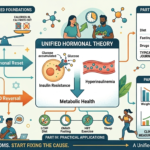
Insulin resistance is one of the root causes behind many hormonal imbalances in women, most notably PCOS. Chronically elevated insulin interferes with ovulation, increases androgen (male hormone) levels, and disrupts fertility.
A ketogenic diet helps correct this by lowering insulin levels and improving insulin sensitivity. Research shows that low-carb diets can lead to:
More regular ovulation
Reduced androgens (less acne and unwanted hair)
Improved fertility outcomes
In a landmark study, 5 out of 11 women with PCOS who adopted a keto diet became pregnant despite previous infertility.
Weight Loss Without Hormonal Damage
While keto is effective for fat loss, it’s essential to distinguish strategic calorie reduction from starvation. When designed with adequate calories, sufficient protein, and nutrient-dense fats, keto can support weight loss without triggering hormonal stress.
Unlike low-fat or crash diets—known to suppress thyroid function and sex hormones—keto naturally curbs appetite, stabilizes energy, and preserves muscle mass.
For women, undereating while on keto can backfire. Nutritional adequacy is critical—not just ketosis.
Keto and Menstrual Cycle Health
Some women notice temporary menstrual irregularities when first starting keto. Rapid fat loss and reduced caloric intake are usually to blame. These disruptions tend to resolve as hormones and energy balance stabilize.
Long-term, keto often regulates cycles in women who previously experienced irregular periods or anovulation due to insulin resistance or PCOS.
Key nutrients like magnesium, zinc, selenium, and B vitamins—plentiful in keto-friendly foods such as eggs, leafy greens, and seafood—further support hormonal rhythm.
Fertility and Pregnancy
Early research suggests keto’s ability to balance insulin, reduce inflammation, and restore ovulatory function may enhance fertility—especially in women with PCOS.
However, once pregnant, very low carb diets aren’t typically advised. Pregnancy increases carbohydrate needs, and a whole-food, moderate-carb diet may be better suited. Individualized medical guidance is essential during this time.
Perimenopause and Menopause
As women progress into their 40s and 50s, declining estrogen can worsen insulin resistance, increase fat deposition, and affect mood and metabolism. Keto offers a powerful metabolic buffer by:
Stabilizing blood sugar and reducing hot flashes
Improving body composition despite slowed metabolism
Supporting brain clarity and focus with ketones as alternative fuel
Decreasing risk for Type 2 diabetes and metabolic syndrome
Women in perimenopause frequently report improved energy, mood, and cognitive sharpness with keto.
Nutritional Considerations for Women on Keto
To optimize keto for hormonal balance:
Eat enough calories to avoid energy stress.
Prioritize protein: 0.8–1.2 g per pound of lean body mass.
Choose healthy fats: olive oil, avocado, eggs, fatty fish, grass-fed meats.
Support electrolytes: magnesium, potassium, and sodium.
Include micronutrient-rich plants: leafy greens, herbs, low-carb vegetables.
Consider carb cycling: occasional carbohydrate refeed days, especially during the luteal phase or periods of intense training, can benefit some women.
Myth: Keto Is Bad for Women’s Hormones
This misconception stems from extreme versions of keto—too low in calories, protein, or nutrients. When done properly, keto supports hormonal stability by enhancing insulin sensitivity, reducing inflammation, and improving energy metabolism.
Listening to your body, tracking your cycle, and personalizing your approach with professional support makes all the difference.
Conclusion: Empowering Women with Keto
Far from disrupting hormones, a thoughtfully applied ketogenic diet can help women reclaim metabolic balance, regulate cycles, and enhance fertility.
From PCOS to perimenopause, keto offers metabolic healing and hormonal harmony—empowering women to feel more energetic, clear-headed, and resilient at every life stage.
When approached with nourishment, not deprivation, keto becomes more than a diet. It’s a hormone-smart lifestyle built on balance, science, and self-awareness.
References
Mavropoulos JC, Yancy WS Jr, Hepburn J, Westman EC. Nutr Metab (Lond). 2005;2:35.
Ibidem.
Westman EC, Feinman RD, Mavropoulos JC, et al. Am J Clin Nutr. 2007;86(2):276–284.
Moreno L, Bellido D, Sajoux I, et al. Endocrine. 2021;73(3):741–748.
Hyde PN, Sapper TN, Crabtree CD, et al. JCI Insight. 2019;4(12):e128308.